One of the biggest frustrations that people face when working with artificial intelligence is repetition. An effective AI assistant may give an excellent response one moment, but then lose important context for the next conversation. To ensure that the conversation is kept moving developers often supply the same project documentation or files repeatedly.
This approach is becoming less effective as AI becomes more popular in software. Intelligent systems require the capability to remember relevant knowledge, retrieve instantly, and be aware of changes in information in time. Memory is becoming an essential part of contemporary AI architecture.
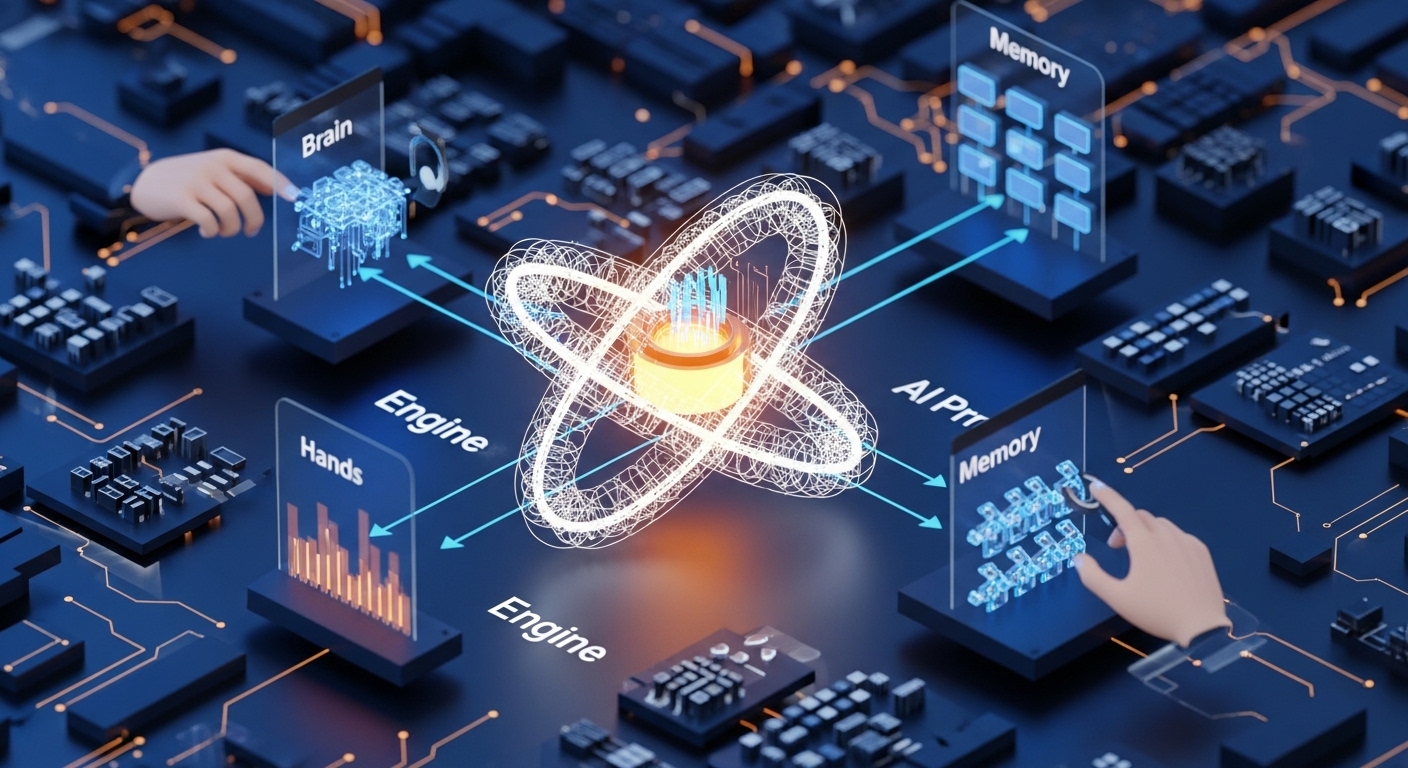
Memory transforms AI from reactive to intelligent
AI systems that can remember past work will behave differently from those that start fresh every time. Persistent Memory permits applications to recognize patterns and understand the ongoing work. They are also able to provide answers that are based on the historical context, not isolated requests.
Telys was created to address this problem. It’s not a cloud platform but an embedded AI agent memory that can store and retrieve data directly within the application. This provides developers with a reliable method of keeping context in mind and minimize unnecessary computations. This results in an AI experience that is significantly more natural since the software remembers what matters.
Making data local increases both speed and privacy
AI models are no longer evaluated based on their ability to generate text. For companies that are using AI, speed of retrieval, system speed and security of data are now equally crucial.
Using on-device memory for AI agents allows applications to retrieve relevant information without depending on constant communication with external servers. The memory stays within the local environment so queries are answered faster and organizations can have more control over sensitive data. This architecture can be particularly advantageous for teams that are developing internal tools, enterprise-level software or applications that require privacy.
Memory is a powerful tool for developers that functions in the background
It shouldn’t be required to manage complex infrastructure to save context when developing intelligent software. Developers prefer tools that integrate seamlessly into existing workflows, and don’t create any additional overheads for operation.
Local MCP Memory Server can make this happen by providing compatible AI Development Environments to use persistent memory within the local ecosystem. AI assistants are no longer required to transfer data over remote APIs. Instead, they are able to access the data they require via an internal memory layer. This simplified approach reduces the delay and improves the experience for developers working on large projects that are constantly evolving their codebases.
AI’s future is built on the context
Artificial intelligence is moving beyond basic conversations to long-running systems capable of planning, reasoning and carrying out complex tasks by itself. These systems require more than just powerful language models; they also require reliable memory that can maintain knowledge through every interaction.
Telys is a distinctive AI memory engine that offers persistent local retrieval to intelligent applications that require speed, security and security. When combined with on-device memory to support AI agents and a highly-performing local MCP memory server, Telys allows developers to create software that remembers previous work, instantly retrieves information and keeps improving as time passes.
The ability to think clearly and with precision is becoming more valuable as AI integrates more deeply into business operations. Through providing intelligent systems with lasting context instead of temporary conversations, Telys assists developers in creating AI applications that are faster and smarter. They are also more practical in the everyday workplace.