A customer loves the color of a wig but finds the cap uncomfortable after several hours. For another wearer, the advantage of the natural-looking hairline comes with a drawback: twenty minutes of work on the lace each morning is more than they want. A third customer orders an attractive wig and discovers that its density feels heavier than anticipated.
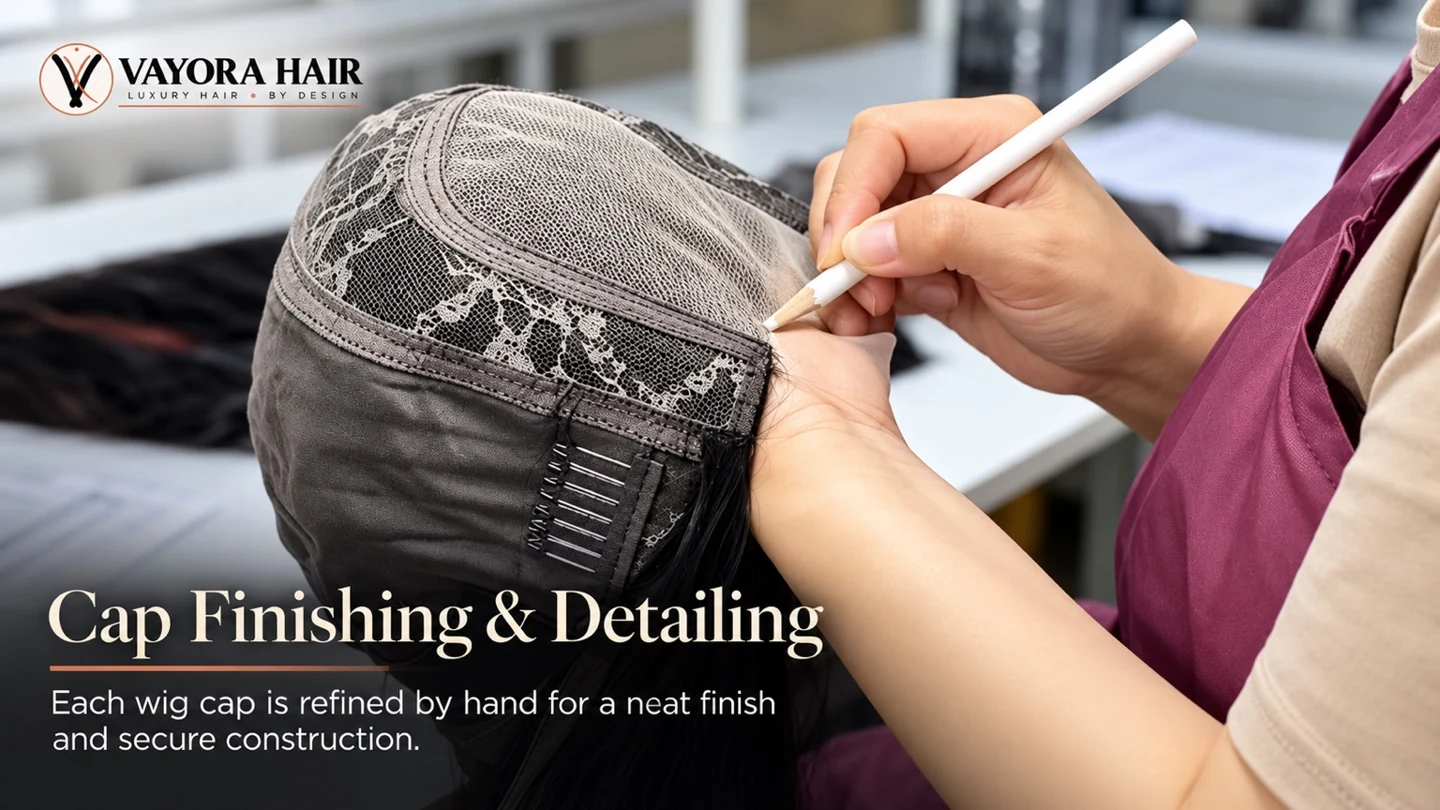
Image credit: vayorahair.com
There is more practical insight in these comments than a wig brand might initially see. They identify opportunities to create wigs customers genuinely like to wear.
Building a well-received range involves more than chasing a viral hairstyle. A collection should begin with an understanding of customer preferences and the experience they want when they put it on.
Pay Attention to the Sale
Customers rarely describe their needs using manufacturing terminology. Instead, their comments center on convenience and comfort, appearance and confidence. When a buyer asks for less preparation in the morning, a glueless design may be worth exploring. An unnatural-looking hairline may signal a problem with the appearance of the lace, the treatment of knots, density, or the way the part is designed.
When selecting a human hair wig manufacturer China brands should look for the ability to understand ordinary customer concerns and document them as measurable product specifications.
A request for a 22-inch body-wave wig can go much further: buyers can specify how the wig should feel when worn, cap fit, lace construction, hairline appearance, and finished weight. With that information, developers can work toward a better-defined goal.
Make Your Private Label Collection Recognizable
Current trends often become the entire basis for a developing wig brand’s catalog, which can be a misjudgment. Such an approach can leave the brand with a catalog that closely resembles competitors’ offerings.
Working with a private label wig manufacturer China retailers can collaborate with allows brands to develop a more consistent product identity. The identity might be expressed through a lightweight everyday collection, a premium natural-hairline line, or ready-to-wear products intended for customers who prefer minimal preparation. Texture, length, color, density, cap construction, and packaging should support the same customer promise. A distinctive product range can encourage repeat visits for reasons other than a temporary discount.
Glueless Wigs Require More Than a Label
Although the word “glueless” seems simple, the experience of wearing the wig depends on several design details. Everything from cap sizing and adjustment features to attachment components, lace preparation, and hairline design helps determine how securely and comfortably the unit fits.
A buyer working with a glueless wig manufacturer China brands select should expect help in defining these requirements ahead of production. For example, a brand targeting first-time wig wearers may prioritize manageable density, pre-cut lace, and straightforward adjustment features. A professional stylist’s collection might require different customization options. Neither approach is automatically better. What distinguishes them is the intended wearer.
Sampling Protects the Brand’s Reputation
There are qualities of a wig that cannot be assessed from a product photograph alone. A buyer should assess how the cap fits and the hair moves, check the color against expectations, and examine whether the finished construction matches the approved design. Sampling provides an opportunity to identify differences before placing a larger order.
When a wholesale human hair wigs supplier needs to produce a style repeatedly, written specifications and quality-control procedures are particularly important. The success of the first batch may be hard to reproduce without clear points of reference.
Develop a Wig Collection With Room to Grow
VAYORA works with B2B wig retailers, distributors, and brands to support product development, private label services, sampling, specification control, and workflows for repeated production. Its approach connects customer expectations with the physical details that determine how a wig looks, fits, and feels.
Before expanding a catalog, brands should examine customer feedback, identify their strongest product opportunities, and establish clear approval standards. A stronger next lineup might not depend on increasing the number of styles. It may require fewer compromises in the styles customers already want.